
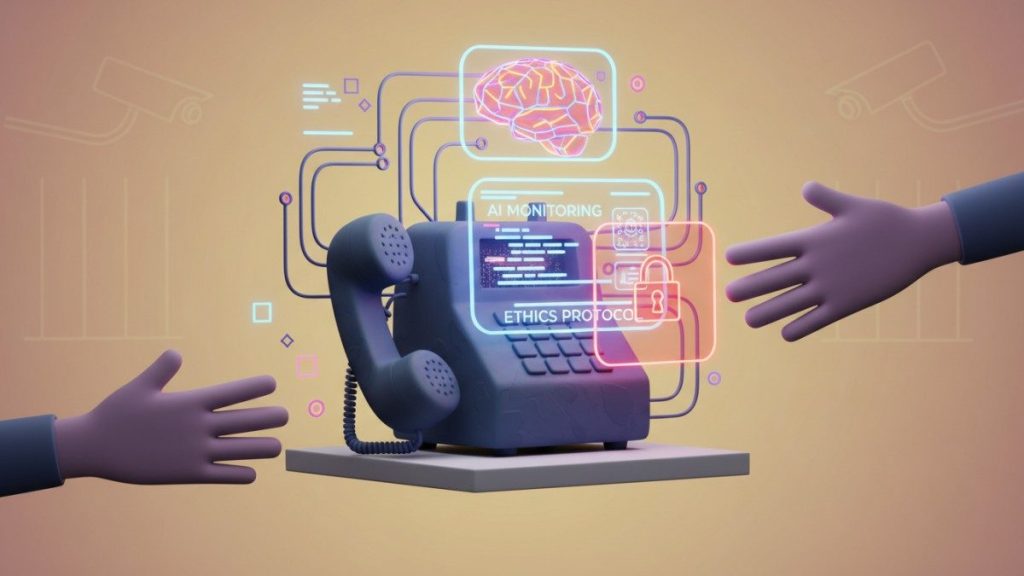
The AI model for crime prevention is reshaping how justice systems operate, particularly within prisons. By leveraging vast amounts of communication data from incarcerated individuals, these models aim to detect and prevent criminal activities before they occur. This innovation raises important discussions about ethics, privacy, and the implications of using AI in such sensitive contexts.
Understanding the AI Model for Crime Prevention
What is the AI Model for Crime Prevention?
The AI model for crime prevention developed by Securus Technologies utilizes years of recorded phone and video calls, texts, and emails from inmates. This model analyzes conversations in real time to identify patterns or signals indicative of criminal intent. For instance, it can flag discussions about human trafficking or gang activity, aiming to intervene before crimes escalate. Such proactive measures are intended to enhance security within correctional facilities.
Securus’s AI leverages a significant data set, including seven years of calls from Texas prisons. This extensive training allows the model to adapt to specific environments, making it applicable across various states or counties. The ultimate goal is to enhance communication monitoring efficiency while reducing the risk of crime within prisons.
How Does It Work?
The AI model operates by scanning and analyzing inmate communications, flagging sections for further review by human agents. When suspicious content is detected, it is routed to investigators for additional examination. This system is designed to catch potential criminal activities earlier in the cycle than traditional monitoring methods.
Securus claims that their technology has helped disrupt several criminal operations, such as human trafficking rings and contraband smuggling. By employing machine learning algorithms, the model identifies anomalies and behavioral patterns that may suggest illicit activities, alerting authorities to take action. The efficiency of this AI approach could redefine how law enforcement engages with predicative crime prevention.
Impact on Justice Systems
Reducing Recidivism Rates
One of the potential benefits of implementing an AI model for crime prevention is its ability to reduce recidivism rates. By identifying at-risk individuals and monitoring communications, the model can help target interventions that address underlying issues leading to re-offending. For example, programs aimed at rehabilitation can be tailored based on the insights gleaned from AI analysis.
Studies show that targeted interventions can decrease the likelihood of re-offending by up to 30%. By focusing on inmates who might be contemplating criminal behavior, correctional facilities can offer counseling or educational programs that address these tendencies before they manifest into actions, thereby fostering a safer environment both inside and outside of prison walls.
Enhancing Investigative Techniques

The integration of an AI model for crime prevention enhances investigative techniques significantly. Law enforcement agencies can utilize AI to sift through vast quantities of data more efficiently than human agents alone. This capability allows for quicker identification of potential threats and timely responses.
Through advanced analytics, investigators can focus their efforts on high-risk individuals or groups, improving resource allocation. AI can also identify trends or spikes in certain types of conversations, enabling law enforcement to proactively address emerging threats. This data-driven approach supports a shift from reactive to proactive policing strategies in correctional settings.
Ethical Considerations
Privacy Concerns
The deployment of an AI model for crime prevention raises significant privacy concerns. Inmates are often recorded without clear consent regarding the data’s use for AI training. Although they are informed that conversations are recorded, the lack of alternative communication methods renders this consent questionable. Critics argue that this constitutes coercive consent, as inmates must use the prison system for communication.
Furthermore, privacy advocates express concerns over the potential misuse of data collected from vulnerable populations. If conversations are analyzed without stringent oversight, there is a risk of infringing on civil liberties. Maintaining a balance between security and privacy rights is essential to ensure ethical implementation of AI technologies.
Bias in AI Models
Bias in AI models is another critical ethical issue. The data used to train these systems may reflect societal biases, leading to disproportionate targeting of certain groups. For instance, if the training data includes predominantly certain demographics, the model may unfairly flag those individuals as more likely to commit crimes, perpetuating existing inequalities.
To mitigate bias, it’s crucial to implement diverse and representative training datasets. Continuous monitoring and evaluation of AI outputs are necessary to identify and correct biases that may arise, ensuring that the AI model for crime prevention serves all individuals fairly and equitably. Additionally, transparency in how these models operate can help build trust among the public and those affected by their applications.
Frequently Asked Questions about AI model for crime prevention
What is the AI model for crime prevention?
The AI model for crime prevention analyzes communication data from inmates to identify patterns indicative of criminal intent, aiming to prevent crimes before they escalate. It utilizes years of recorded calls, texts, and emails to enhance security in correctional facilities.
How does the AI model for crime prevention work?
This AI model scans inmate communications in real time, flagging suspicious content for human review. It uses machine learning to identify anomalies, helping disrupt criminal operations like human trafficking and contraband smuggling more effectively than traditional methods.
Can the AI model for crime prevention reduce recidivism rates?
Yes! The AI model for crime prevention can help identify at-risk individuals and tailor interventions, potentially reducing recidivism rates by up to 30%. This proactive approach fosters rehabilitation and promotes a safer environment in and out of prison.
What are the privacy concerns related to the AI model for crime prevention?
Privacy concerns arise as inmates may not fully consent to having their communications analyzed for AI training. Critics argue this could infringe on civil liberties, highlighting the need for a balance between security and privacy rights in implementing AI technologies.
How can bias be addressed in the AI model for crime prevention?
To address bias, it’s crucial to use diverse training datasets and continuously monitor AI outputs. This ensures that the AI model for crime prevention operates fairly and equitably, avoiding the perpetuation of existing societal inequalities.
Sources: Technology Review, KTVQ, Medium, LinkedIn.